
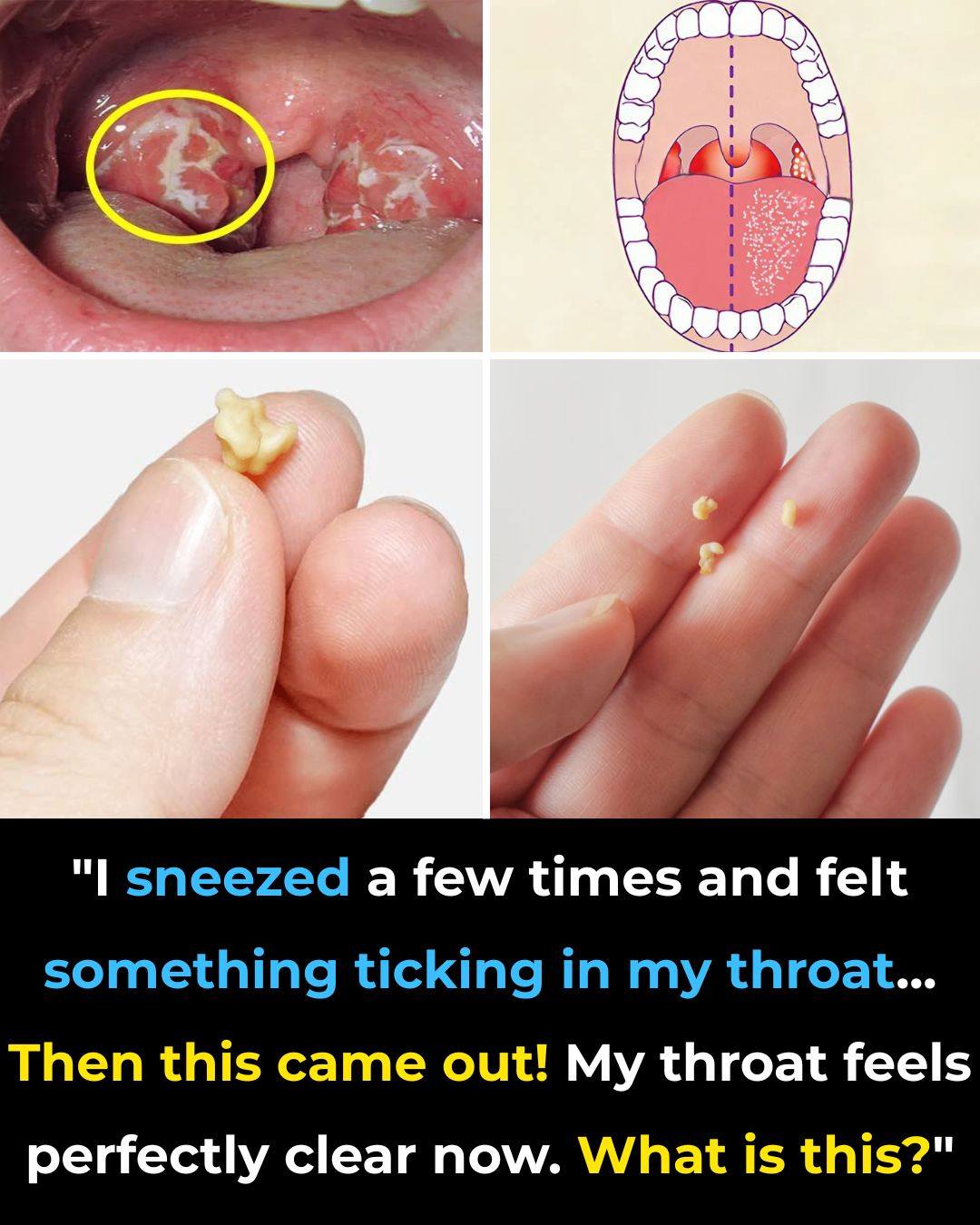
Tonsil stones, also known as tonsilloliths, are small, hard lumps that form in the crevices of your tonsils. They’re made from calcified debris like food particles, dead cells, bacteria, and calcium salts that get trapped and harden over time. While usually harmless, they can cause bad breath, discomfort, or irritation, and they’re more common in people with frequent tonsil infections or large tonsils.
What Causes Tonsil Stones?
Tonsils have natural pockets called crypts where debris collects. When bacteria break down this material, it calcifies into white or yellowish stones. Risk factors include:
-
Chronic tonsillitis or enlarged tonsils.
-
Poor oral hygiene, allowing more buildup.
-
Post-nasal drip from sinus issues or allergies.
-
Dry mouth from medications or smoking.
They’re not contagious or caused by poor hygiene alone, but good habits reduce them.
Common Symptoms
Many tonsil stones are tiny and go unnoticed, but larger ones cause:
-
Bad breath (halitosis): The most frequent issue, from sulfur-producing bacteria.
-
Sore throat or feeling something stuck in your throat.
-
Irritating cough, ear pain, or swollen tonsils.
-
Metallic taste or visible white/yellow lumps on tonsils.
They’re often mistaken for tonsillitis, but no fever or severe swelling usually sets them apart.
How to Diagnose Them
A doctor or ENT specialist spots them during a throat exam, often with a light. No special tests needed unless infection is suspected.
Prevention Tips
ADVERTISEMENT
