
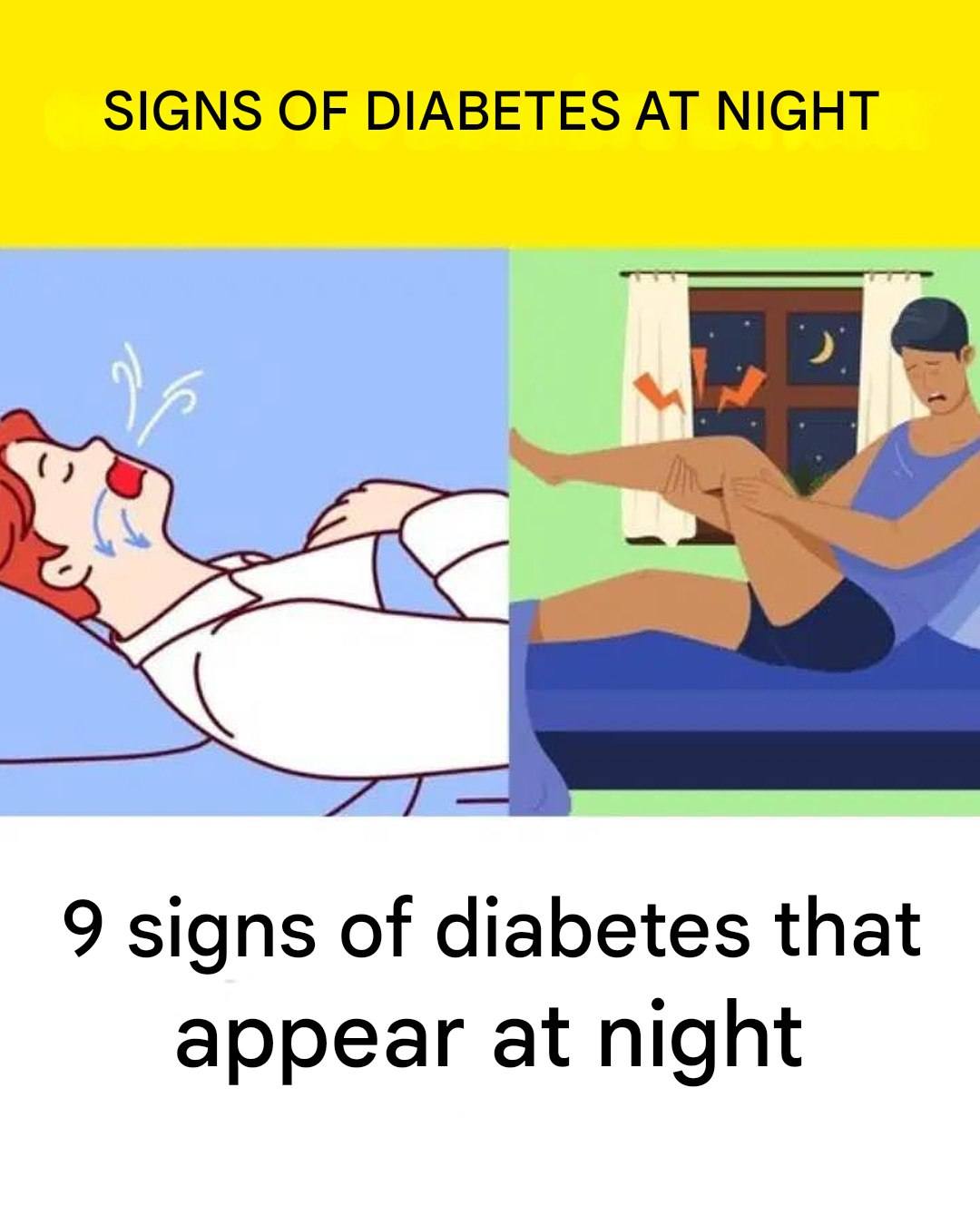
Here are nine important diabetes‑related symptoms that often show up or get worse at night. If you notice any of these regularly, speak with a doctor promptly for blood‑sugar testing and evaluation.
1. Waking up often to urinate
High blood sugar makes the kidneys pull extra glucose out of the blood and dump it into urine, dragging water with it. This frequent, sometimes urgent peeing (nocturia) often wakes people up multiple times a night. Many people first notice something is wrong when they realise they’re up to use the bathroom far more than they used to.
2. Excessive thirst at night
Because your body loses more water in sugary urine, dehydration and intense thirst follow, especially in the evening and overnight. You may find yourself keeping water by the bed, waking with a very dry mouth, or needing to drink repeatedly after getting up to pee.
3. Poor sleep and frequent awakenings
Blood sugar swings – too high or too low – can both disrupt sleep. High glucose can cause bathroom trips, headaches and general discomfort, while low glucose (hypoglycemia) can trigger sweating, shakiness, or sudden wake‑ups that are hard to explain. Over time, this leads to fragmented sleep and daytime sleepiness.
4. Night sweats and damp sheets
Soaked pyjamas or pillowcases, especially when the room isn’t hot, can be a sign of nocturnal hypoglycemia (low blood sugar at night) in people with diabetes. The body’s stress response to low glucose releases adrenaline, which raises heart rate and sweats. Night sweats can have many causes, but combined with diabetes or risk factors, they deserve a closer look.
5. Morning headaches, irritability, or “hangover” feeling
Waking up with a headache, feeling unusually tired, moody, or confused can be a leftover effect of either nighttime lows or highs. With lows, the brain is briefly starved of glucose; with highs, dehydration and poor sleep take a toll. If you repeatedly wake feeling wiped‑out despite a full night in bed, glucose levels overnight may be part of the problem.
6. Restless legs, tingling, or burning in feet
High blood sugar over time can damage nerves, especially in the legs and feet – a complication called diabetic neuropathy. Many people only really notice the tingling, pins‑and‑needles, burning, or “creepy‑crawly” sensations when they lie down to sleep and the rest of the day’s distractions stop. These sensations can make it hard to fall asleep or stay asleep.
7. Blurry vision in the evening
Fluctuating glucose levels pull fluid in and out of the lenses of your eyes, temporarily changing their shape and focus. This can cause on‑and‑off blurred vision, sometimes especially noticeable after dinner or late‑night snacks when blood sugar spikes. Persistent or worsening blur is a reason to get both blood sugar and eyes checked.
