
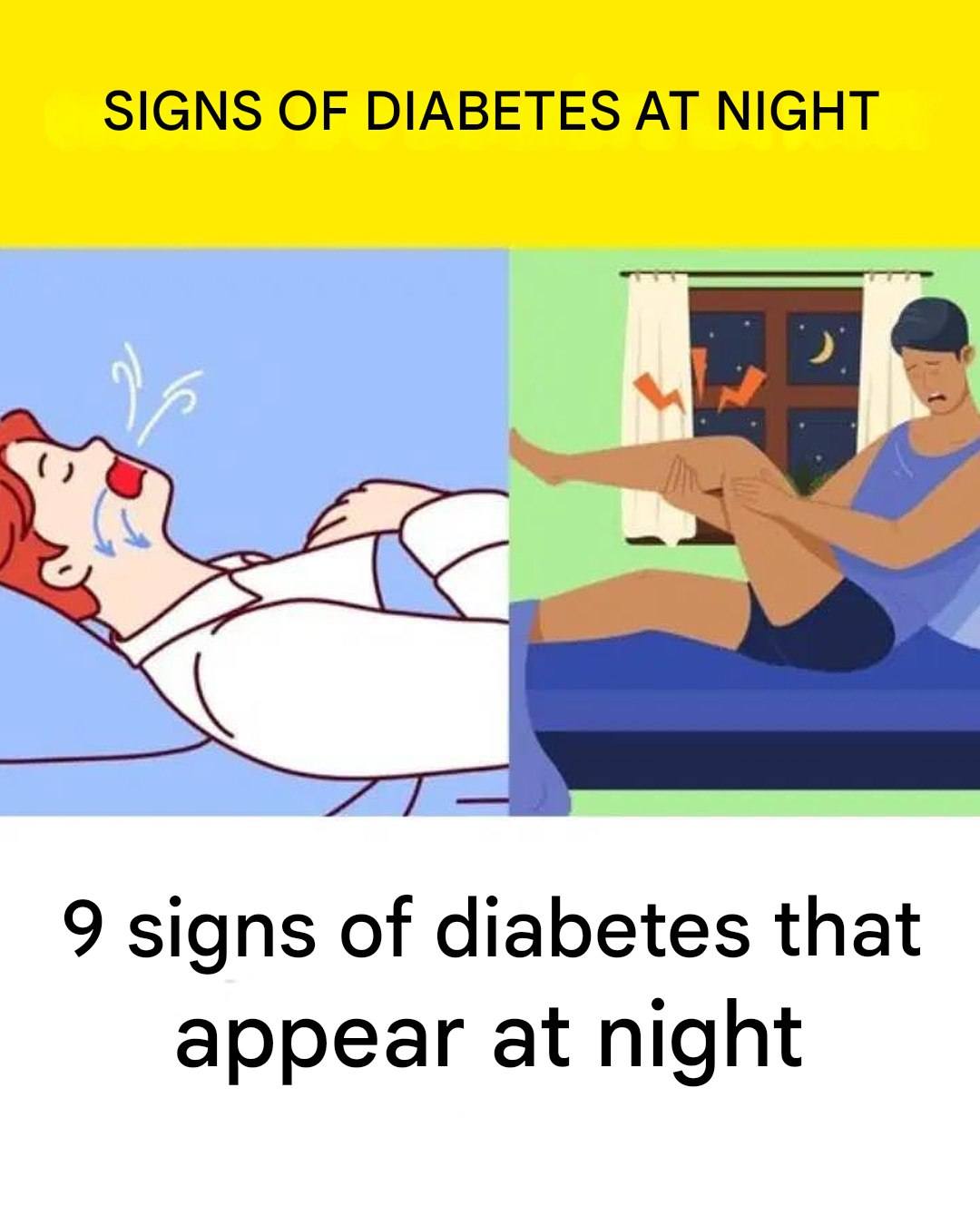
Nerve damage from high blood sugar often shows up as numbness, tingling, or reduced sensation in the hands and feet. Just as with restless legs, these feelings may be most obvious in bed, when you suddenly notice “dead” or buzzing toes and fingers. Because neuropathy can progress silently, this nighttime clue is important to bring to a doctor’s attention early.
9. Night‑time hunger or “crash” episodes
Some people with diabetes (or prediabetes) experience blood sugar dropping too low in the middle of the night, especially if they use insulin or certain tablets. Symptoms can include: sweating, shaking, waking with pounding heart, vivid dreams or nightmares, and intense hunger that pushes you to raid the fridge at 2 a.m. These are classic signs of nocturnal hypoglycemia and require medical review and often medication or meal‑timing adjustments.
What to do if you notice these signs
-
Don’t ignore recurring patterns. One rough night can have many causes, but frequent nighttime urination, thirst, sweats, or neuropathy‑type symptoms should not be dismissed. Authoritative health agencies list urinating a lot at night, thirst, blurry vision, tiredness, and numb or tingling feet as key diabetes warnings.
-
Get your blood sugar tested. Ask for fasting glucose, A1C, and possibly an oral glucose‑tolerance test. These are standard tools for diagnosing diabetes and prediabetes.
-
If you already have diabetes, discuss night symptoms with your team. You may need changes in insulin timing, doses, snacks, or other medication to prevent overnight highs or lows and protect long‑term health.
-
Seek urgent help if nighttime symptoms are severe – e.g., confusion, chest pain, very fast heartbeat, or repeated severe lows – as these can be emergencies.
Nighttime is when your body should be recovering; if it’s instead when your worst symptoms show up, that’s a powerful signal to get checked for diabetes or review how your existing diabetes is managed.