
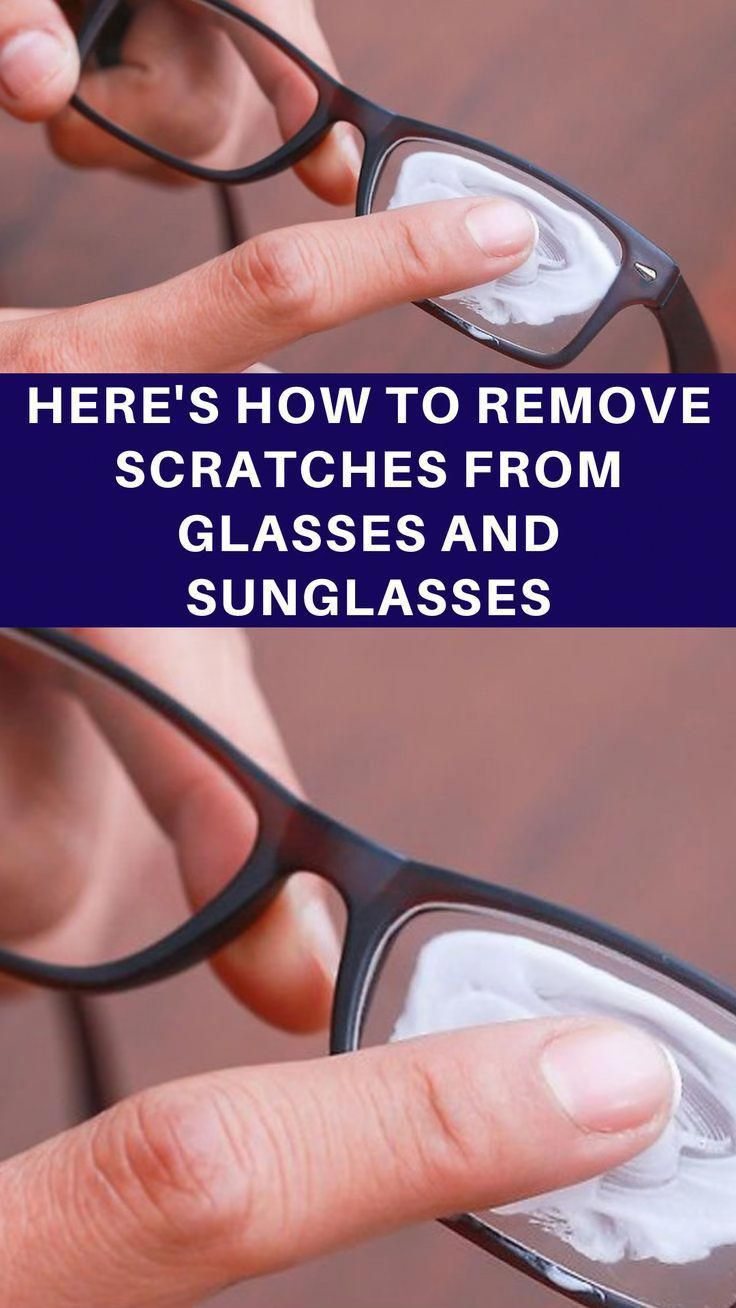
1. Start With a Deep Clean (So You’re Not Mistaking Dirt for Scratches)
Before trying any repair, wash your glasses thoroughly. Dust and skin oils can look like scratches and also make real scratches look worse.
-
Rinse lenses under lukewarm (not hot) water.
-
Add a drop of mild, lotion‑free dish soap and gently rub with your fingers.
-
Rinse and dry with a clean microfiber cloth.
If the “scratches” disappear after this, you’re done; they were just residue, not damage.
2. Use Polishing Compounds Very Carefully
Some people use non‑gel toothpaste, baking‑soda paste, or plastic polishes to buff out very light surface marks. On uncoated plastic lenses or cheap sunglasses, a dedicated plastic polish (like those designed for acrylic windows or headlight restoration) can sometimes make micro‑scratches less visible by smoothing the surrounding area.
Guidelines:
-
Test on a tiny corner first.
-
Apply a pea‑sized amount of polish with a soft cotton cloth.
-
Rub in small circles with very light pressure for 10–20 seconds, then rinse and inspect.
If you see haze, streaking, or worsening clarity, stop immediately. On modern prescription lenses with anti‑reflective or blue‑light coatings, abrasives almost always make things worse.
