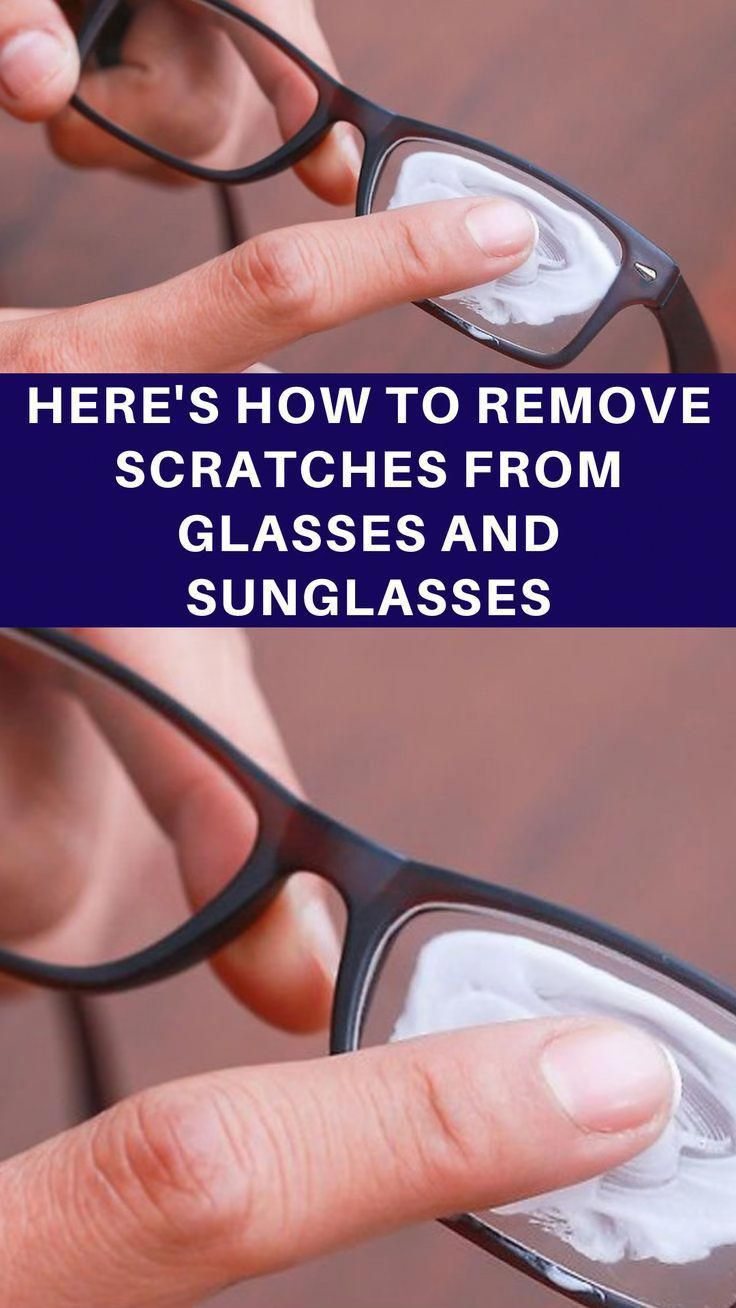
For tiny hairline scratches that don’t catch your fingernail, a thin film on the surface can make them less noticeable:
-
Clean the lenses.
-
Apply a tiny drop of clear, water‑based lens cleaner with silicone or a commercial scratch‑concealing spray.
-
Wipe gently with a microfiber cloth until clear.
These products don’t repair the lens; they just fill in micro‑grooves so light scatters less. The effect fades and must be repeated, but it’s safer than aggressive polishing on coated lenses.
4. Replace or Strip Damaged Coatings (Professional Job)
If most of what you see are rainbow‑like patches, peeling, or cloudy areas, the anti‑reflective or other coating is likely damaged. No at‑home trick can fix that; toothpaste or abrasives will only remove more coating and worsen clarity.
Options:
-
Ask an optician whether the lenses can be re‑coated or if it’s cheaper to replace them.
-
For some older plastic lenses, labs can sometimes strip the coating entirely, returning them to plain plastic; you lose the AR benefit but also lose the cloudy patches.
This is specialized work; sending lenses or the entire frame to a professional lab is the only safe path.
5. Know When to Replace the Lenses
If scratches are deep enough that you can feel them with a fingernail, sit in your direct line of sight, or cause halos and double images at night, replacement is the only reliable fix. Severely scratched lenses can:
-
Reduce contrast and sharpness.
-
Increase eye strain and headaches.
-
Make night driving more dangerous due to glare.
Most optical shops can fit new lenses into your existing frames, often for less than buying a whole new pair. Online lens‑replacement services are another option if you have your prescription.
Bonus: How to Prevent New Scratches
Even the best repair can’t undo all damage, so prevention matters more than any hack:
-
Always rinse lenses before wiping; dry dust acts like sandpaper.
-
Use only microfiber cloths and proper lens cleaner.
-
Store glasses in a hard case, not loose in a bag or pocket.
-
Keep them off dashboards, bathroom counters, and other gritty surfaces.
In short, light surface marks can sometimes be visually minimized, but real scratches—especially on coated prescription lenses—cannot be truly removed at home. For anything beyond faint cosmetic marks, the safest, clearest solution is professional lens work or replacement.