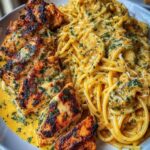
Rice in Western diets is commonly eaten with:
-
Fried foods
-
Creamy sauces
-
Added sugars
-
Refined oils
In contrast, Asian meals pair rice with:
-
Vegetables
-
Lean proteins (fish, tofu, eggs)
-
Fermented foods
-
Broth-based dishes
The metabolic response is completely different.
White Rice vs Brown Rice: Does It Really Matter?
White rice is often blamed because it has a higher glycemic index (GI) than brown rice. This means it raises blood sugar faster when eaten alone.
However, studies show:
-
When white rice is eaten with protein, fiber, or fat, its GI impact drops significantly
-
Blood sugar spikes are meal-dependent, not ingredient-dependent
Asian meals rarely eat rice alone—this is critical.
Asian Eating Patterns That Support Healthy Weight
1. Rice Is Eaten With Fiber-Rich Foods
Vegetables, seaweed, legumes, and fermented foods slow digestion and reduce insulin spikes.
2. Protein Is Always Present
Fish, eggs, tofu, or small amounts of meat stabilize blood sugar and increase satiety.
3. Meals Are Balanced, Not Carb-Heavy
Rice may be present, but it’s never the only thing on the plate.
The Role of Lifestyle: A Huge Missing Piece
Physical Activity Is Built Into Daily Life
Traditional Asian lifestyles involve:
-
More walking
-
Less sedentary behavior
-
Smaller eating windows
-
Fewer snacks
Carbohydrates are used as fuel, not stored as excess.
Rice Timing Matters More Than Rice Itself
In many Asian cultures:
-
Rice is eaten earlier in the day
-
Late-night heavy carb meals are uncommon
-
Meals follow consistent routines
Eating rice when your body is active improves glucose usage and reduces fat storage.
Insulin Sensitivity: The Real Issue
Weight gain is not caused by insulin itself—but by chronic insulin resistance.
Rice becomes a problem when:
-
You’re sedentary
-
You eat it in excess
-
It’s combined with sugar and processed fats
-
Your overall diet lacks fiber and protein
In metabolically healthy individuals, rice is efficient fuel, not fat.
Why Diet Culture Singles Out Rice
Rice is:
-
Cheap
-
Common
-
Easy to blame
Diet trends prefer villains:
-
Carbs
-
Bread
-
Pasta
-
Rice
But population studies consistently show that entire cultures thrive on carbohydrate-based diets when those diets are whole, balanced, and traditional.
Scientific Evidence: Rice and Body Weight
Large observational studies in Asia show:
-
Lower obesity rates despite high rice consumption
-
No direct correlation between rice intake and weight gain when calories are controlled
-
Increased risk only when rice is paired with Westernized processed foods
Rice is neutral—it reflects the dietary pattern around it.
Rice Can Support Weight Loss When Used Correctly
Rice can absolutely fit into a weight-loss plan if you:
✔ Control portions
✔ Pair it with protein
✔ Add vegetables and fiber
✔ Avoid sugary sauces
✔ Stay active
Eliminating rice entirely is unnecessary for most people.
Better Ways to Eat Rice for Weight Management
-
Choose steamed or boiled rice
-
Cool and reheat rice to increase resistant starch
-
Combine with legumes or vegetables
-
Eat slowly and mindfully
-
Respect portion sizes
Why Asian Cultures Don’t Fear Rice
Because they:
-
Eat it traditionally
-
Respect portions
-
Balance meals naturally
-
Stay physically active
-
Avoid constant snacking
Rice isn’t the enemy—modern eating habits are.
Final Verdict: Is Rice Bad for Weight Loss?
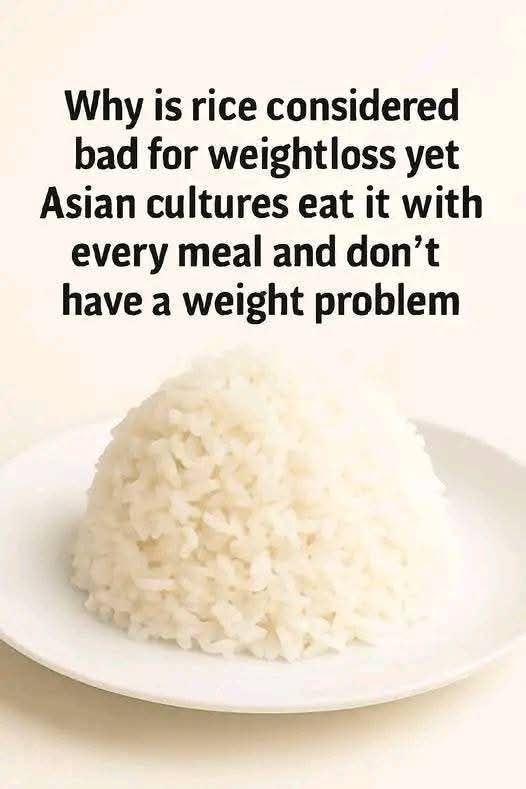
No. Rice is not inherently bad for weight loss.
What matters is:
-
Quantity
-
Context
-
Meal composition
-
Lifestyle
Asian cultures prove that daily rice consumption can coexist with healthy body weight when food is eaten intentionally and traditionally.