
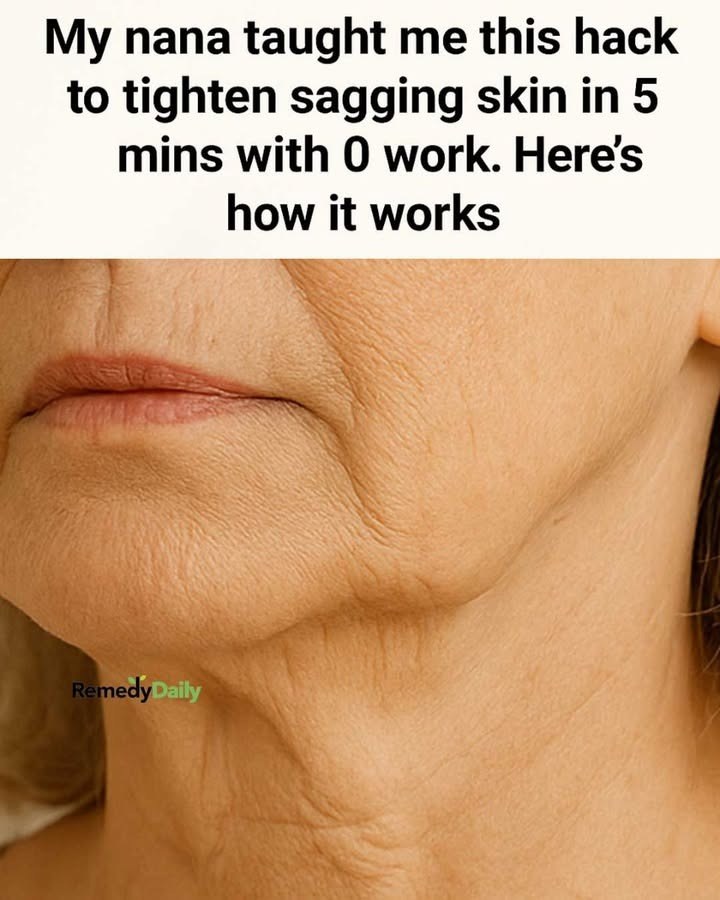
Light concealer and a soft “lifted” blush placement can change the look more than any mask.
This is honest: it’s appearance-focused, not a medical claim.
What Actually Helps Sagging Skin Over Time (At Home)
1) Daily sun protection
UV exposure accelerates collagen breakdown. If you do only one thing, do SPF consistently.
2) Retinoids / retinol (months, not minutes)
Retinoids are among the most evidence-supported topical ingredients for improving fine lines and overall skin texture over time. The AAD explains that retinoids speed cell turnover and boost collagen, improving tone and reducing fine lines and wrinkles. Académie Américaine de Dermatologie
How to use (without wrecking your skin):
-
Start with the least intense option you can tolerate and use it every other night at first. Académie Américaine de Dermatologie
-
Use moisturizer to reduce irritation, and wear sun protection because retinoids can increase sun sensitivity. Académie Américaine de Dermatologie
-
Avoid retinoids during pregnancy (AAD guidance). Académie Américaine de Dermatologie
A systematic review of tretinoin in photoaging reports improvements in signs of sun-damaged/aged skin across multiple studies (fine wrinkles, roughness, uneven tone). PMC
3) Vitamin C + gentle exfoliation (optional)
Vitamin C can support brightness and antioxidant protection. Exfoliation can improve texture—but it won’t “lift” laxity.
4) Lifestyle basics that show up on your face
-
Stable weight (rapid loss can worsen laxity)
-
Adequate protein
-
Sleep
-
Not smoking (smoking accelerates collagen breakdown)
In-Office Options That Can Actually Lift or Tighten (and the Safety Angle)
If someone wants real tightening, that’s usually where professional treatments come in. The FDA and dermatology organizations emphasize that products and procedures making structure/function claims can cross into medical territory, and consumers should be cautious with bold marketing. U.S. Food and Drug Administration
Common in-office approaches include:
-
Ultrasound-based tightening (microfocused ultrasound)
-
Radiofrequency treatments
-
Laser resurfacing
-
Dermal fillers (restore volume to reduce “sag” appearance) U.S. Food and Drug Administration
-
Surgical lifting for significant laxity
Important: procedures have risks. For example, the FDA has issued safety communications about complications reported with some uses of radiofrequency microneedling, including burns and scarring, and stresses discussing benefits/risks and seeking trained providers. U.S. Food and Drug Administration
Red Flags: When “Sagging” Should Be Checked Medically
Most sagging is normal aging, but you should seek medical advice if you notice:
-
Sudden facial drooping on one side
-
New numbness, weakness, or trouble speaking
-
Rapid unexplained weight loss
-
A new lump, swelling, or rash
Those aren’t “skincare” issues.
FAQ
Does anything tighten sagging skin instantly?
Instant effects are usually temporary (drying film, de-puffing, makeup smoothing). True lifting generally requires professional treatments. Académie Américaine de Dermatologie
Are “skin tightening” creams a scam?
They may improve hydration and the look of fine lines, but they can’t truly lift sagging skin. Be wary of products implying structural changes like “lifts” or “rebuilds collagen overnight.” Académie Américaine de Dermatologie+1
What’s the best at-home ingredient for firmness?
Topical retinoids/retinol have some of the strongest evidence for improving fine lines and overall texture over time, but they take weeks to months and must be used carefully to avoid irritation. Académie Américaine de Dermatologie+1
Why do these hacks look so good in videos?
Lighting, angles, facial expression control, and temporary surface effects can create dramatic “before/after” results that don’t hold up in real life.
If you want, tell me whether you want this turned into a full 1500–2000 word SEO blog post (with meta description, slug, headings, and an FAQ schema-style section), and whether your audience is US/UK or international—I’ll format it exactly for publishing.