
-
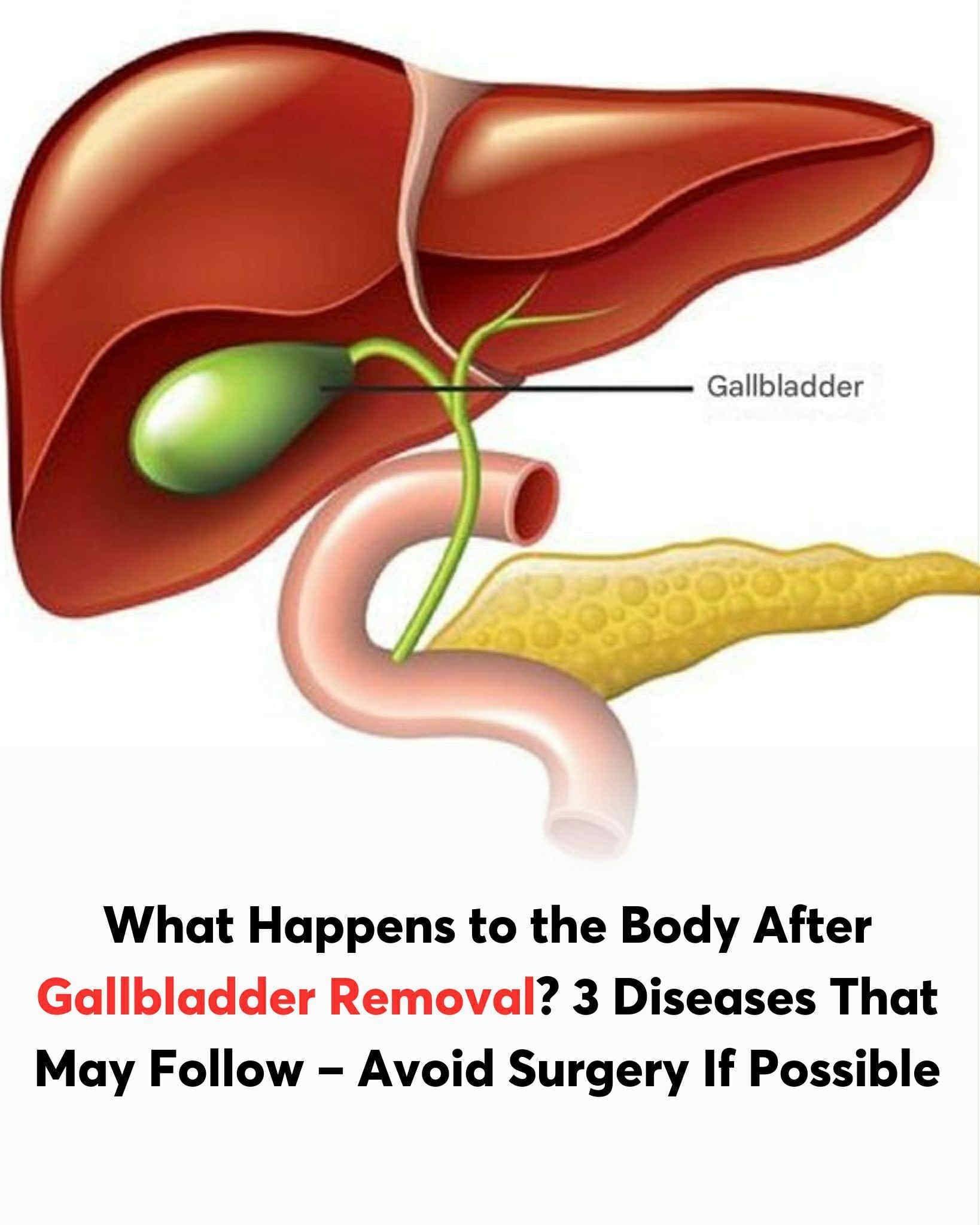
The Gallbladder is a small pouch beneath the liver that stores and concentrates bile. Bile helps digest fats. Wikipédia+2nhs.uk+2
-
When the gallbladder is removed (surgical procedure known as Cholecystectomy), bile produced by the liver no longer gets stored. Instead, bile flows directly from the liver into the small intestine. MEH+2Wikipédia+2
-
For many people, this adjustment works fine — digestion continues, and life returns to normal after recovery. MEH+2Verywell Health+2
-
But because bile is no longer regulated/stored, some people experience changes — especially when digesting fatty meals — and a subset may develop lingering or new conditions.
✅ What Often Goes Well After Gallbladder Removal
-
Most people recover without serious long-term problems. Many feel relief from prior gallbladder-related pain or gallstone symptoms. MEH+2Wikipédia+2
-
You can live a completely healthy life without a gallbladder — many have normal digestion after recovery. MEH+2Healthline+2
-
Over time, the body often adapts: bile flow adjusts, and digestive function may normalize, especially with sensible diet adjustments. Apollo 24|7+2rockwallsurgicalspecialists.com+2
Still — it’s important to know the possible risks and what to watch out for, especially if you notice persistent digestive issues or other symptoms.
⚠️ 3 Conditions (or “Diseases”) That May Follow — or Be Linked to — Gallbladder Removal
### 1. Post‑Cholecystectomy Syndrome (PCS)
What is it?
PCS is a general term for a cluster of digestive symptoms that persist (or begin) after gallbladder removal. It doesn’t refer to a single disease — but a range of possible issues like bile flow changes, duct problems, or functional gut disorders. Cleveland Clinic+2Vinmec International Hospital+2
Common PCS Symptoms
ADVERTISEMENT
