
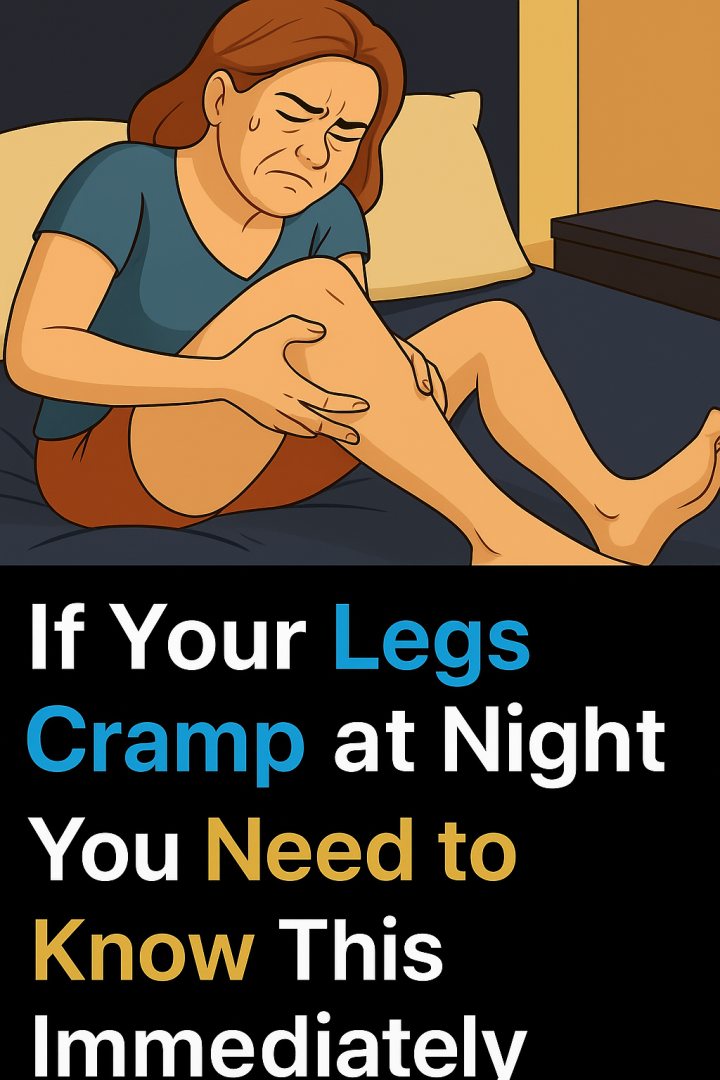
Nighttime leg cramps — also called nocturnal leg cramps or charley horses — are sudden, painful muscle contractions that typically affect the calves, feet, or thighs during sleep. They can last from a few seconds to several minutes, and may leave lingering soreness for hours afterward.
Though they’re common and often harmless, recurring leg cramps at night can signal deeper issues. Here’s what you need to know.
What Causes Night Leg Cramps?
While the exact cause isn’t always clear, common contributors include:
1. Dehydration
When your body lacks adequate fluids, your muscles can become more prone to tightness and cramping — especially at night.
2. Mineral Deficiencies
Low levels of magnesium, potassium, calcium, or sodium can disrupt nerve signals and muscle function, triggering cramps.
3. Poor Circulation
Reduced blood flow to the legs during rest (often from sitting or lying too long) can lead to cramping.
4. Overuse of Muscles
Intense exercise or prolonged standing during the day may strain leg muscles, making them more likely to spasm at night.
5. Prolonged Inactivity
Long periods of sitting, especially with poor posture, can shorten and tighten leg muscles, increasing the risk of cramping later.
6. Medication Side Effects
Certain drugs — including diuretics, statins, and beta-blockers — are known to cause muscle cramps as a side effect.
7. Underlying Health Conditions
Frequent leg cramps may signal:
-
Diabetes or blood sugar imbalance
-
Thyroid disorders
-
Peripheral artery disease (PAD)
-
Nerve damage or pinched nerves
-
Kidney disease
Who’s Most at Risk?
You’re more likely to experience nighttime leg cramps if you:
-
Are over age 50
-
Are pregnant
-
Have low physical activity or sedentary lifestyle
-
Are an endurance athlete
-
Take certain medications regularly
-
Have poor hydration habits
How to Prevent Nighttime Leg Cramps
✅ Stay Hydrated: Drink enough water throughout the day — not just at night.
✅ Stretch Before Bed: Gentle calf and hamstring stretches before sleep can reduce cramp risk.
✅ Balance Electrolytes: Eat foods rich in magnesium (spinach, almonds), potassium (bananas, sweet potatoes), and calcium (dairy, leafy greens).
✅ Wear Proper Shoes: Avoid flat or unsupportive footwear, which can strain muscles during the day.
✅ Move More During the Day: Take walking breaks if you sit a lot. Activity boosts circulation and muscle elasticity.
✅ Avoid Caffeine & Alcohol Before Bed: Both can dehydrate you and increase the risk of cramping.
✅ Use Magnesium Lotion or Supplements: Topical magnesium is often helpful before bedtime.
When to See a Doctor
⚠️ Seek medical advice if:
-
Cramps are very frequent or severe
-
You experience numbness, swelling, or weakness in your legs
-
You have known circulation or nerve issues
-
Cramps interrupt sleep regularly
-
There are signs of blood clots (redness, warmth, swelling)
Quick Relief for Leg Cramps at Night
If you’re jolted awake by a cramp:
-
Stretch the Muscle: Pull your toes upward to stretch the calf.
-
Massage the Area: Firm pressure and circular motion can help the muscle relax.
-
Apply Heat: A warm compress or heating pad soothes tight muscles.
-
Stand and Walk: Light movement increases circulation and eases tension.
Final Thoughts
Nighttime leg cramps are more than just a nuisance — they can disrupt sleep, signal nutrient imbalances, or indicate an underlying condition. Thankfully, with the right hydration, nutrition, and stretching routine, you can prevent or significantly reduce these painful episodes.
Don’t ignore the signs. Your legs — and your sleep — deserve better.