
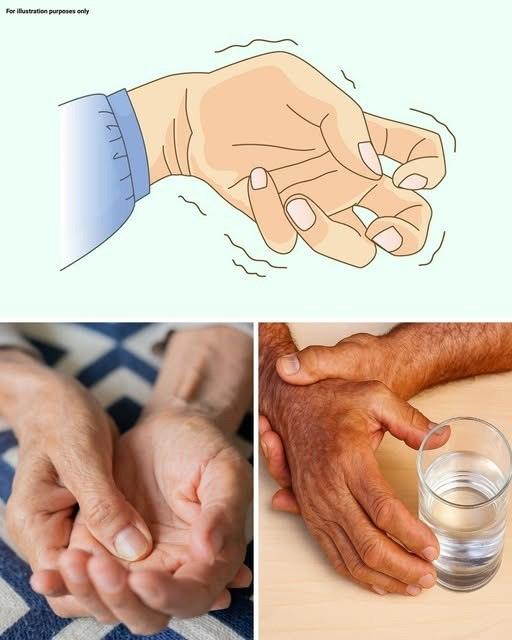
Shaky hands are often dismissed as “just stress” or “being tired,” but the truth is that hand tremors can reveal much more about your health. While occasional shaking is normal — especially after caffeine, lack of sleep, or nervousness — persistent or unexplained tremors may signal underlying medical issues that should not be ignored.
This article explains the most common causes, when to worry, and what steps to take if your hands shake slightly.
🔍 What Exactly Is a Hand Tremor?
A tremor is an involuntary, rhythmic shaking that typically affects the hands but can also involve the head, legs, voice, or body.
There are two major types:
-
Resting tremor: appears when the muscles are relaxed
-
Action tremor: happens during activity, such as writing or holding a cup
Understanding which type you’re experiencing can help identify the cause.
🧠 1. Essential Tremor (ET): The Most Common Cause
Many people with slight shaking actually have Essential Tremor, a neurological condition often mistaken for stress or anxiety.
Signs of Essential Tremor:
-
Happens during movement (eating, writing, using utensils)
-
Slowly worsens with age
-
Often appears on both hands
-
May run in families
Essential Tremor is not dangerous but can become inconvenient if it progresses. Treatment options exist if it affects daily life.
☕ 2. Too Much Caffeine or Stimulants
Coffee, energy drinks, pre-workout supplements, cold medicines, and even chocolate contain stimulants that can trigger shaking.
Symptoms include:
-
Rapid heartbeat
-
Anxiety or restlessness
-
Jitteriness
-
Trouble sleeping
If your tremor appears shortly after caffeine or medication intake, reducing the amount may help.
