
Drooling in your sleep is one of those things people often joke about – or worry about – without really understanding what it means. Online posts sometimes claim “if you drool while you sleep, it’s a sign your brain is super relaxed and you’re getting the best sleep ever.” In reality, the picture is more nuanced. Light, occasional drooling is common and usually harmless, but heavy or new drooling can sometimes point to underlying health issues, including brain or nerve problems, that deserve attention.
This article explains why drooling happens, when it’s normal, when it might be linked to your brain, and when you should see a doctor.
What actually causes drooling during sleep?
Your salivary glands constantly produce saliva to help with swallowing, digestion, and oral health. When you’re awake, you swallow frequently and keep saliva inside your mouth almost without thinking. During sleep, several things change:
-
Swallowing reflex slows down. The automatic swallow that clears saliva becomes much less frequent.
-
Muscle tone relaxes. The muscles of your lips, cheeks, and tongue relax, especially in deeper sleep stages, so the mouth may fall open.
-
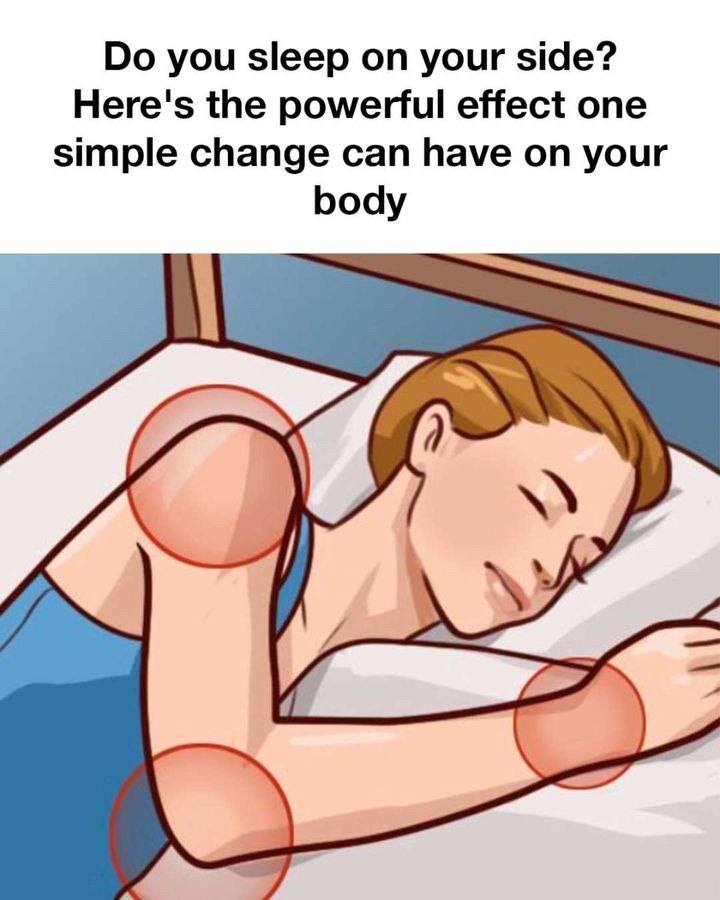
Sleeping position matters. Side or stomach sleepers are more likely to have saliva pool and leak out, pulled by gravity.
When these factors combine – a relaxed mouth, fewer swallows, and a position that lets saliva escape – you wake up with a damp pillow. Sleep‑health resources emphasise that this pattern is very common and, by itself, doesn’t mean anything is wrong.
Myth vs reality: “Drooling means your brain is extra healthy”
A popular viral claim says “if you drool while you sleep, it’s a sign that your brain is in deep, restorative sleep.” This is not backed by strong scientific evidence. Deep sleep (slow‑wave sleep) and REM sleep are restorative, but they’re defined by specific EEG patterns and eye movements, not by whether you drool.
What we actually know is:
-
Drooling is linked to relaxed muscle tone and mouth‑breathing during sleep – which can happen in healthy people or in people with medical issues.
-
Some studies in neurological disease show that drooling is associated with altered brain connectivity and impaired swallow control, not superior brain function.
So drooling is not a reliable sign that your brain is “better” or “worse” – you have to look at the broader context.
Common, mostly harmless reasons you drool at night
In most adults, drooling has simple, non‑dangerous causes. Medical and sleep‑education sources list several frequent triggers:
-
Sleeping on your side or stomach
-
Gravity pulls pooled saliva toward the pillow when your mouth falls open.
-
Changing to a more back‑oriented position (with proper neck support) often reduces drooling.
-
-
Nasal congestion or allergies
-
Blocked nose → mouth breathing → more drooling.
-
Seasonal allergies, colds, sinusitis, or a deviated septum can all force you to breathe through your mouth at night.
-
-
Reflux or heartburn (GERD)
-
Stomach acid irritating the esophagus can trigger extra saliva production as a protective response.
-
People with nighttime reflux may both drool and wake with a sour or bitter taste.
-
-
Dental or jaw alignment problems
-
Malocclusion, missing teeth, or ill‑fitting dentures can prevent lips from sealing fully, letting saliva escape.
-
-
Medications
ADVERTISEMENT
