
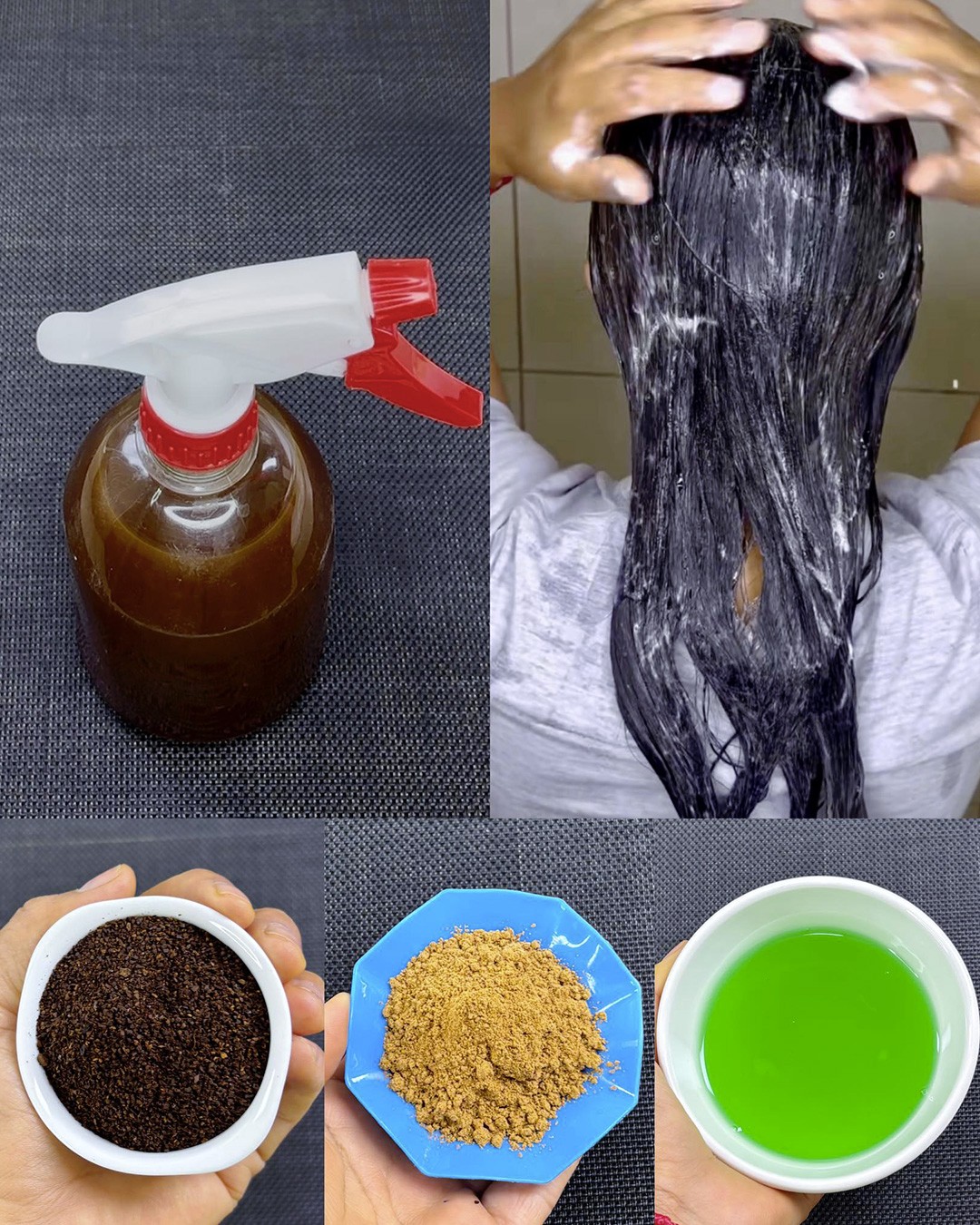
Important Note Before You Start
No shampoo – homemade or store‑bought – can “cure” hair loss on its own, especially when hair shedding is caused by genetics, hormones, illness, or medication. Dermatology research shows that some active ingredients, like caffeine and adenosine, can modestly reduce shedding and increase hair density when used regularly in shampoo, but results are gradual and never guaranteed.[web:648][web:651][web:660] Essential oils such as rosemary and peppermint also show promising effects in small studies, yet they must be used correctly to avoid irritation.[web:652][web:658][web:661]
The recipe and tips below focus on a gentle, scalp‑friendly shampoo base plus evidence‑inspired botanical add‑ins that may support a healthier environment for hair growth. Always do a patch test first, and speak with a dermatologist or trichologist if you have significant or sudden hair loss, bald patches, or scalp disease.
Key Growth‑Supporting Ingredients and Evidence
Before mixing anything, it helps to understand which ingredients have some scientific or traditional support for hair and scalp benefits. This allows you to choose add‑ins that are more than just trends.
1. Mild Cleansing Base (Castile or Natural Shampoo)
- A DIY shampoo usually starts with a surfactant base – something that actually cleanses the scalp, such as liquid Castile soap, a natural shampoo base, or a mild commercial sulfate‑free shampoo.[web:656][web:659]
- These bases lift dirt and excess sebum without stripping all natural oils when diluted and combined with conditioning agents like aloe or oils.[web:646][web:659]
2. Aloe Vera Gel
- Aloe vera is commonly used in natural hair products for its soothing, moisturizing, and anti‑inflammatory properties.[web:643][web:653][web:662]
- Reviews on botanical hair ingredients note its traditional use for calming irritated scalps and reducing breakage by improving slip and hydration.[web:644]
3. Coconut Milk and Nourishing Oils
- Coconut milk contains lipids and small amounts of natural proteins that can coat and soften hair strands, helping reduce breakage from combing.[web:645][web:647]
- Oils like coconut, olive, or hemp seed oil supply essential fatty acids that improve lubrication of the hair shaft and may limit mechanical damage; some DIY growth shampoos include small amounts for conditioning.[web:645][web:647]
