
Equipment
-
20–23 cm (8–9 inch) round cake tin (or loaf/bundt pan)
-
Mixing bowls
-
Electric mixer (hand or stand) or whisk
-
Citrus zester and juicer (or reamer)
-
Spatula and/or wooden spoon
-
Cooling rack
Instructions — Step by Step
-
Preheat & Prep
-
Preheat your oven to 180°C (350°F).
-
Grease and flour your cake tin (or line with parchment paper), making sure sides and bottom are covered to prevent sticking.
-
-
Mix Dry Ingredients
-
In a medium bowl, whisk together the flour, baking powder, and salt. Set aside.
-
-
Zest & Juice the Oranges
-
Zest 3–4 medium oranges directly into your sugar — this helps release the essential oils and infuse more citrus aroma.
-
Then juice the oranges until you have about 1 cup (240 ml) fresh orange juice.
-
-
Cream Sugar + Zest + Eggs
-
In a large mixing bowl (or using a stand mixer), combine the sugar (with orange zest) and eggs. Beat until the mixture is light in color, smooth, and a bit fluffy — this helps incorporate air, which contributes to a lighter, fluffier cake.
-
If using vanilla extract, add it here.
-
-
Incorporate Wet Ingredients
-
With the mixer on low speed (or stirring gently with a spatula), add the oil in a thin stream. Take care not to overmix.
-
Then alternate adding the dry ingredients and orange juice: add one third of the dry ingredients, then half the orange juice, then another third dry, the remaining juice, and finally the last dry — mixing just until combined after each addition. This method helps avoid overworking the batter and keeps the crumb tender.
-
-
Pour & Bake
-
Pour the batter into the prepared tin. Smooth the top with a spatula.
-
Bake for about 45–50 minutes — or until a skewer or toothpick inserted in the center comes out clean (or with a few moist crumbs), and the top springs back when lightly pressed. Olives + Thyme+2My Cake School+2
-
-
Cool Properly
-
Let the cake rest in the tin for about 10 minutes, then invert onto a cooling rack. Allow to cool completely before glazing or slicing.
-
-
(Optional) Glaze the Cake
-
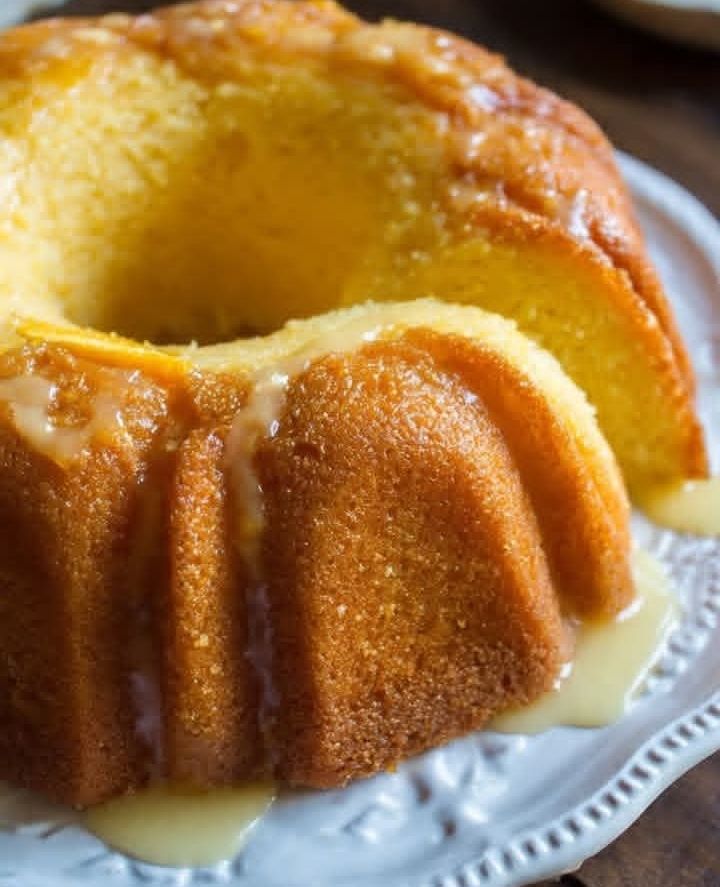
To make a simple orange glaze: mix powdered sugar with a few tablespoons of fresh orange juice to reach a drizzling consistency.
-
Drizzle over the cooled cake and sprinkle a little fresh orange zest on top for a pretty, fragrant finish.
-
Why This Cake Stays So Moist & Fluffy: Baking Science ✨
-
Oil, not butter: Using oil instead of (or alongside) butter helps retain moisture better. Butter tends to lose some moisture during baking, while oil keeps the crumb more tender and moist. Modern Honey+1
-
Fresh citrus juice and zest: Fresh orange juice provides liquid and acidity, which interacts with the leavening agents (baking powder) to lift the batter, while zest adds essential oils for aroma and flavor without thinning the batter. Preppy Kitchen+2Apple Cake Annie+2
-
Gentle mixing & alternating wet/dry additions: This reduces gluten development and avoids a dense cake. Overmixing flour can cause toughness; folding gently keeps the crumb tender. My Cake School+2Apple Cake Annie+2
-
Eggs and sugar aeration: When eggs and sugar are beaten together, they trap air, which expands during baking, helping to give the cake a light, fluffy structure.
Variations & Flavor Twists
You can tailor this cake to your tastes or the occasion. Here are some ideas:
-
Cream Cheese Frosting + Orange: Instead of a simple glaze, top with a tangy cream cheese frosting — great for birthdays or special gatherings. The creaminess balances the citrus‑sweetness beautifully. My Cake School+1
-
Whipped Cream & Fresh Fruit Layers: Slice the cake horizontally and layer with lightly sweetened whipped cream and fresh orange segments or berries — a light, refreshing way to serve. My Cake School+1
-
Olive Oil & Greek Yogurt Twist: Swap some or all of the oil with extra‑virgin olive oil, and add a couple of tablespoons of Greek yogurt for even more moistness and subtle richness. Great if you like a slightly denser, more Mediterranean-style cake. The Mediterranean Dish+1
-
Whole‑Orange Version: For a more rustic, deeply orange‑rich cake — try a version made with a whole orange (zested, juiced, and rind/blended) for intense citrus flavor. Make sure to remove or soften the bitter pith if using peel. Two Kooks In The Kitchen&+2cakesbymk.com+2
-
Bundt or Loaf Cake Format: Instead of a round cake tin, use a bundt pan or loaf pan for a different shape — great for gifting or slicing to share. Baking time may slightly vary. cakesbymk.com+1
Storage, Freezing & Serving Tips
-
Store the cake in an airtight container at room temperature for up to 2–3 days (if you didn’t use perishable frosting). If topped with cream cheese or whipped‑cream frosting, refrigerate. Apple Cake Annie+1
-
For longer storage: wrap the cooled, unglazed cake tightly in plastic wrap and aluminum foil, then freeze for up to 2–3 months. Thaw at room temperature, then add glaze/frosting before serving. My Cake School+1
-
Serve with a dusting of powdered sugar, a drizzle of glaze, fresh orange slices, or a dollop of whipped cream — plus coffee or tea for a cozy treat.
❤️ Final Thoughts
This Fluffy and Moist Orange Cake proves that sometimes the simplest recipes are the most magical. With everyday pantry ingredients and fresh oranges, you get a cake that’s tender, airy, bursting with citrus brightness, and perfect for almost any occasion. Whether you serve it plain for teatime, dress it up for a celebration, or slice it up for family dessert nights — it never disappoints.
Baking this cake fills your kitchen with a warm, citrusy aroma that makes waiting for the first slice worth it. Once you’ve tasted that melt‑in‑your‑mouth crumb and bright orange zing, you’ll keep coming back to this recipe again and again.