
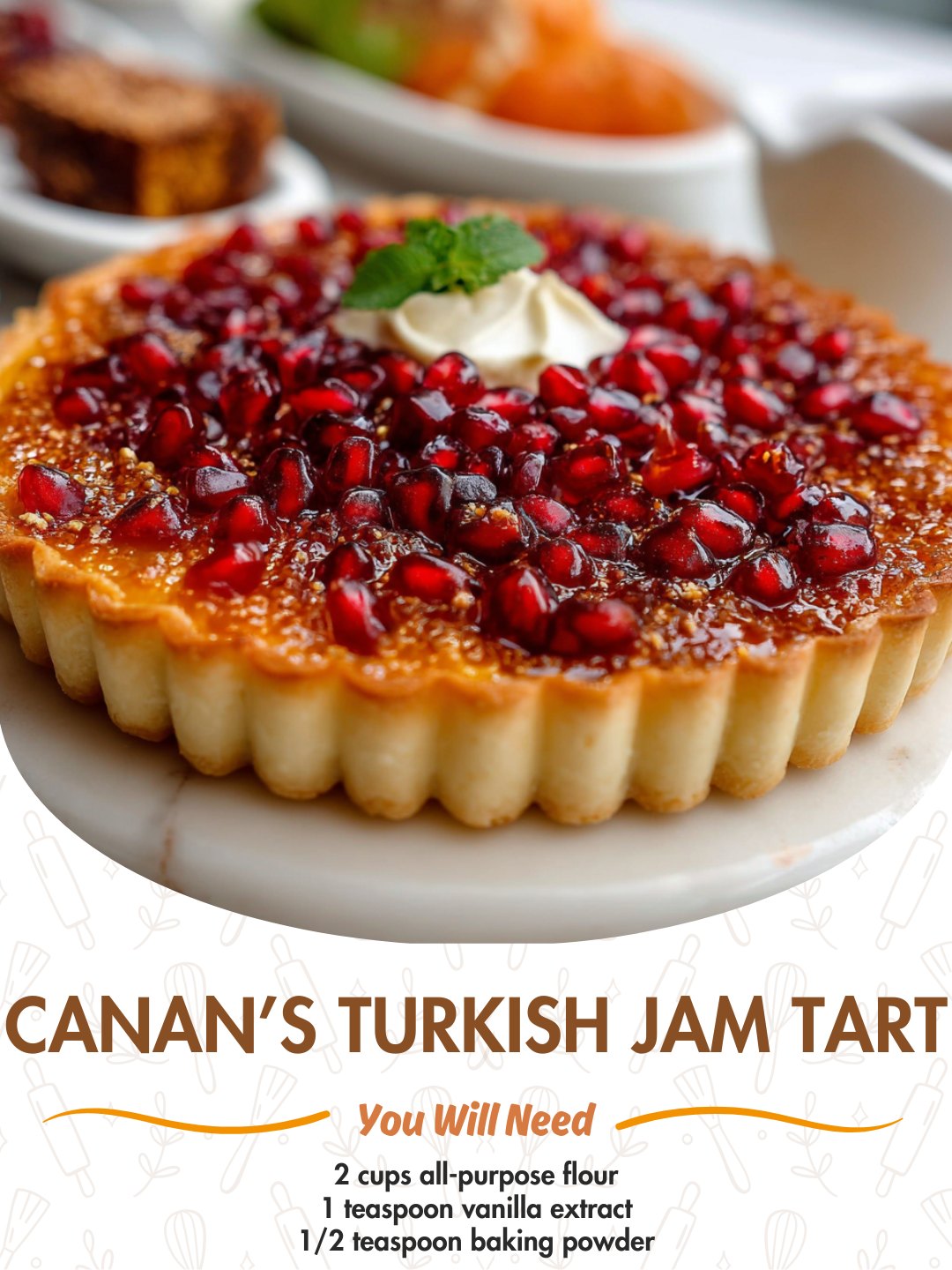
In a large bowl, whisk together the flour, sugar, baking powder, salt, and lemon zest (if using).
This spreads the leavening and salt evenly so you don’t get pockets of bitterness or uneven lift.
Step 2: Cut in the cold butter
Add the cold, cubed butter and rub it into the flour mixture using your fingertips until the mixture looks sandy with small
pea-sized butter bits. Those butter pieces are what create tenderness. If the butter softens too much, refrigerate the bowl for
10 minutes before continuing.
Step 3: Add eggs and vanilla
Add the whole egg, egg yolk, and vanilla. Mix gently with a spoon or your hands just until a soft dough forms.
The dough should be pliable but not sticky. If it feels too sticky, add 1–2 tablespoons flour; if too dry, add a teaspoon of milk.
Step 4: Chill the dough
Divide the dough into two portions: about two-thirds for the base and one-third for the lattice.
Wrap and chill for 30–45 minutes. Chilling makes the dough easier to press and shape, and it prevents excess spreading
during baking.
Step 5: Prepare the pan and oven
Preheat the oven to 175°C / 350°F. Grease a 22–24 cm (9-inch) tart pan (preferably with a removable
bottom). If you prefer extra insurance, line the base with parchment paper.
Step 6: Form the base
Press the larger portion of dough into the tart pan—first across the base, then slightly up the sides (about 2 cm / 3/4 inch).
Try to keep thickness even so the tart bakes uniformly. If the dough cracks, simply press it back together; shortcrust is forgiving.
Step 7: Add the jam
Spread the jam evenly over the dough. Aim for a smooth, level layer, leaving a small margin near the edge to reduce bubbling overflow.
Use more jam for a bolder fruit layer, less for a more crust-forward tart.
Step 8: Create the lattice
Use the remaining dough to form strips. You can roll it out between two sheets of parchment and cut strips, or roll small ropes by hand.
Lay strips across the tart, then add strips in the opposite direction to form a crisscross lattice. Gently press the ends into the edge
of the base so they adhere.
Step 9: Bake until golden
Bake for 30–40 minutes, or until the lattice is lightly golden and the edges look set. The jam may bubble slightly—
that’s normal. Remove from the oven and let it cool in the pan for at least 20–30 minutes before unmolding.
Step 10: Cool and finish
Once fully cooled, dust lightly with powdered sugar if desired. Slice and serve. The tart tastes wonderful at room temperature,
and it becomes easier to slice cleanly once it has cooled completely.
Serving and Storage:
Serving
This tart is traditionally served with tea or coffee. Because it’s not overly sweet, it works in many moments:
afternoon tea, a simple dessert after dinner, or even a brunch table alongside fresh fruit.
- Classic: Serve at room temperature with Turkish tea or coffee.
- Dessert-style: Add a spoon of thick yogurt, whipped cream, or vanilla ice cream.
- Elegant finish: Dust with powdered sugar just before serving.
Storage
Store the tart in an airtight container at room temperature for 2 days, or refrigerate for 4–5 days.
If refrigerated, let slices sit at room temperature for 15–20 minutes before serving for the best texture.
Freezing
You can freeze the baked tart (whole or sliced) for up to 2 months. Wrap tightly and thaw overnight in the fridge,
then bring to room temperature. For a fresher feel, warm slices briefly in a low oven (about 150°C / 300°F for 5–8 minutes).
Tips:
These tips help you get a tender crust, clean slices, and a jam layer that stays glossy without overflowing.
Tip 1: Keep the butter cold
Cold butter is the difference between a tender shortcrust and a greasy, dense base. If the kitchen is warm, chill your bowl and
ingredients briefly.
Tip 2: Mix only until combined
Overworking the dough develops gluten and makes the crust tougher. Stop mixing as soon as the dough holds together.
Tip 3: Use the right jam consistency
Very runny jam can seep into the crust; very stiff jam can bake into a chewy layer. If your jam is runny, simmer it for a few minutes
to thicken and cool it before using. If it’s too thick, stir it or warm it slightly to spread evenly.
Tip 4: Don’t rush cooling
Jam needs time to set. If you slice while the tart is hot, the filling may smear. For clean, bakery-style slices, cool fully.
Tip 5: Lattice the easy way
If rolling strips feels annoying, roll small ropes and place them on top. Slight imperfections look charming and homemade.
Variations:
The base recipe is a canvas. You can change the jam, add spice, or adjust the texture without losing the tart’s traditional comfort.
1) Sour Cherry (Vişne) Jam Tart
Swap in sour cherry jam for a tangy, vibrant flavor. This is one of the most classic and loved options in Turkish-style sweets.
2) Apricot & Almond Tart
Use apricot jam and add a handful of sliced almonds on top before baking. Almonds toast beautifully and add a gentle crunch.
3) Fig Jam & Orange Zest
Replace lemon zest with orange zest and use fig jam. The flavor becomes deeper, almost caramel-like, with a citrus perfume.
4) Spiced Strawberry Tart
Add 1/2 teaspoon cinnamon to the dough and use strawberry jam. The spice makes the tart feel extra cozy—great in cooler months.
5) Nutty Shortcrust
Replace 50 g of flour with finely ground almonds or hazelnuts. This adds richness and a subtle nut aroma that pairs beautifully with jam.
Tips:
This second tips section is troubleshooting—what to do if your crust cracks, the jam bubbles over, or the tart feels too soft.
If the dough cracks while pressing
Shortcrust often cracks, especially when chilled. Simply press it back together. If it’s too cold and stiff, let it sit for
5 minutes at room temperature.
If the tart is too crumbly
It may be overbaked or the dough may have been too dry. Next time, reduce bake time slightly and avoid adding too much extra flour
during mixing.
If the jam bubbles over
Use slightly less jam, leave a small border near the edge, and avoid very runny jams. Baking on a sheet pan also protects your oven.
If the base feels underbaked
Make sure your oven is fully preheated and bake until the edges are set and lightly golden. If your pan is very thick or dark,
you may need an additional 3–5 minutes.
If you want sharper edges and cleaner slices
Refrigerate the tart for 30 minutes before slicing. A chilled tart slices neatly, then you can bring slices back to room temperature
for serving.
Conclusion:
Canan’s Turkish Jam Tart is proof that simple ingredients can feel special when treated well. A buttery, tender crust, a generous layer
of jam, and a golden lattice top create a dessert that’s both beautiful and comforting. It’s the kind of recipe that fits into real life:
easy enough for everyday baking, pretty enough for guests, and flexible enough to match whatever jam you love most.
Once you make it once, it becomes a reliable favorite. You’ll start thinking in “jam seasons”—apricot in summer, fig in fall, sour cherry
for something bright and nostalgic. And with a few simple techniques—cold butter, gentle mixing, proper chilling—you’ll get consistent,
bakery-style results every time.
FAQ:
What does “Reçelli Turta” mean?
In Turkish, reçel means jam, and turta refers to a tart or tart-style pastry. Together, it’s essentially “jam tart.”
Can I use homemade jam?
Yes, and it’s wonderful. Just make sure it’s thick enough to hold its shape when spread. If it’s very runny, simmer it gently to reduce
and cool before using.
Do I need a tart pan?
A tart pan with a removable bottom makes a clean presentation, but you can also use a regular pie dish. The tart may look more rustic,
but it will taste the same.
Why do I need to chill the dough?
Chilling firms the butter and relaxes the dough. This makes it easier to handle and helps the crust bake tender instead of spreading too
much or turning greasy.
How do I keep the lattice from breaking?
If the dough is too cold, it can crack. Let it warm slightly for a few minutes before shaping strips. Rolling dough ropes by hand is also
an easy, break-resistant method.
Can I reduce the sugar in the dough?
You can reduce sugar by about 20–30 g without major texture issues, especially if your jam is quite sweet. Keep in mind that sugar also
contributes to tenderness and browning.
How long should I cool the tart before slicing?
At least 30 minutes, but fully cooled is best for clean slices. If you want perfect slices, chill it briefly, then slice with a sharp
knife.
Can I add nuts to the dough?
Yes. Replace about 50 g of flour with finely ground almonds or hazelnuts. This adds richness and a subtle nutty flavor that pairs well
with most jams.