Even normal bulging veins benefit from healthy habits that support circulation:
✔ Walk regularly
Movement helps push blood back to the heart.
✔ Avoid sitting or standing too long
Break up long periods of inactivity.
✔ Elevate the legs
Helps reduce pressure in leg veins.
✔ Stay hydrated
Thicker blood increases vein pressure.
✔ Maintain a healthy weight
Extra weight puts added pressure on leg veins.
✔ Wear compression stockings
Recommended for people with venous insufficiency or long work hours on their feet.
⭐ 5. When to See a Professional
A vascular specialist or doctor should be consulted if:
-
Veins are painful
-
Veins are growing or worsening
-
Skin around them changes
-
There is swelling, heat, or redness
-
You suspect varicose veins or circulation problems
Early evaluation can prevent serious complications like ulcers or clots.
⭐ 6. Final Takeaway
Bulging veins are not always dangerous — many are simply cosmetic or related to age, fitness level, or genetics.
But when paired with discomfort, swelling, or sudden changes, they can signal circulation problems that deserve attention.
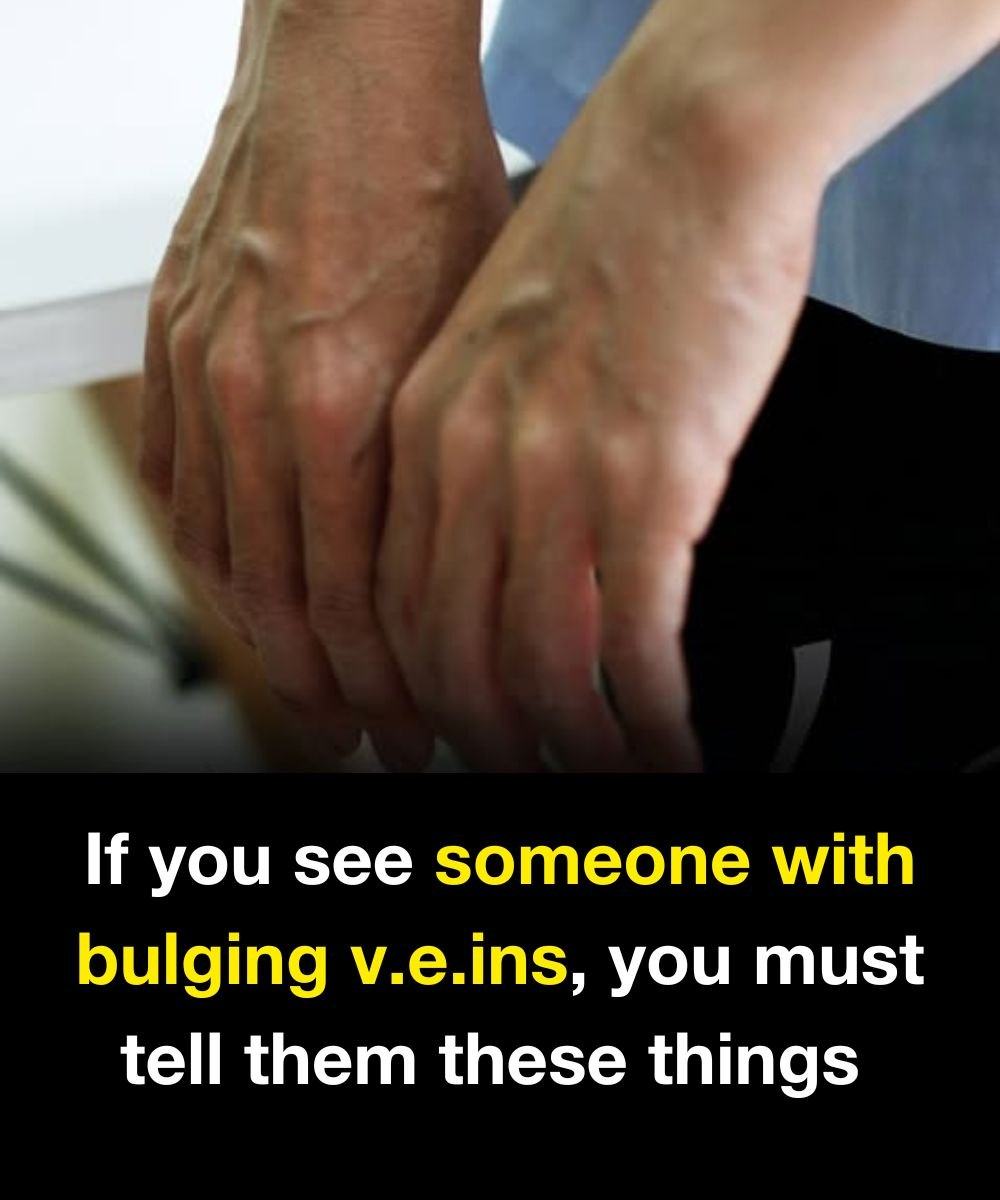
If you see someone with bulging veins, tell them to:
-
Monitor symptoms
-
Support circulation with healthy habits
-
Seek medical evaluation if anything feels unusual or painful
Early awareness can make a big difference in long-term vein and heart health.