
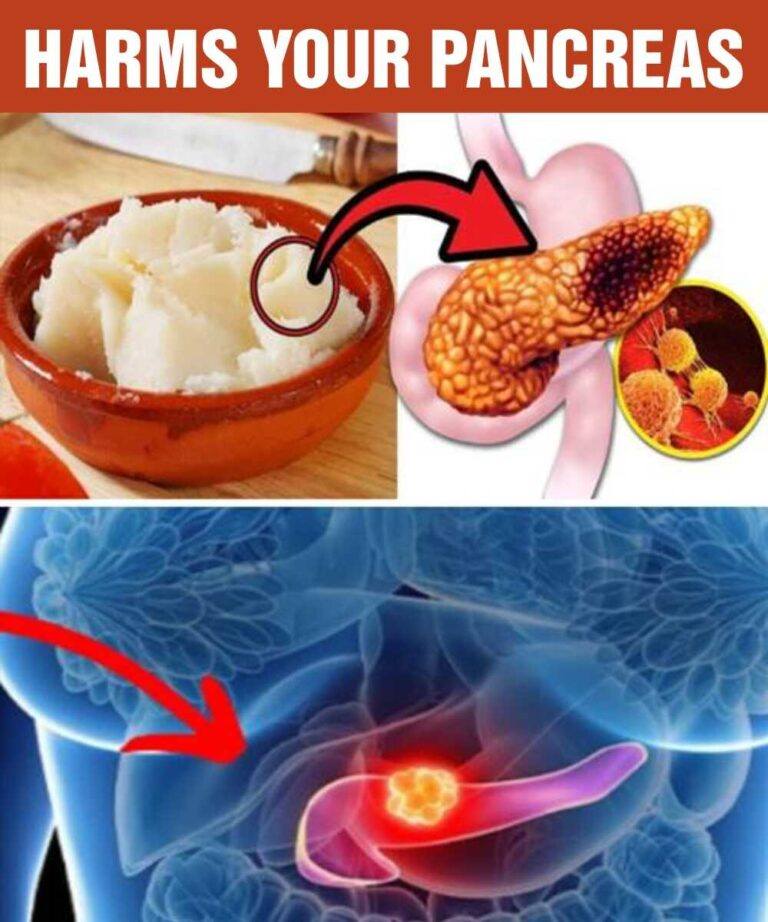
Sugary beverages cause rapid blood sugar spikes, forcing the pancreas to release large amounts of insulin.
Examples:
-
Soda
-
Energy drinks
-
Sweetened iced tea
-
Fruit punch
Why they stress the pancreas:
-
High glycemic load
-
Promote insulin resistance
-
Increase risk of type 2 diabetes
Healthier alternative:
Water, unsweetened herbal tea, sparkling water with lemon.
4. Refined Carbohydrates
Refined carbs break down quickly into glucose, overwhelming insulin production.
Examples:
-
White bread
-
White rice
-
Pastries
-
Sugary cereals
Why they’re problematic:
-
Cause repeated insulin spikes
-
Promote chronic metabolic stress
Healthier alternative:
Whole grains like oats, quinoa, brown rice, and whole-grain bread.
5. Excess Alcohol
Alcohol is one of the leading causes of pancreatitis worldwide.
Why alcohol is dangerous:
-
Directly inflames pancreatic tissue
-
Interferes with enzyme secretion
-
Increases risk of acute and chronic pancreatitis
Recommendation:
Limit alcohol intake or avoid it entirely, especially if you have a history of digestive or metabolic issues.
6. High-Fat Dairy Products
While dairy can be nutritious, high-fat versions may overwork the pancreas.
Examples:
-
Full-fat cheese
-
Heavy cream
-
Butter
-
Ice cream
Why moderation matters:
-
High saturated fat content
-
Increases enzyme demand
Healthier alternative:
Low-fat yogurt, kefir, plant-based milks (unsweetened).
7. Ultra-Processed Snack Foods
These foods combine unhealthy fats, refined carbs, and additives — a perfect storm for pancreatic stress.
Examples:
-
Chips
-
Packaged cookies
-
Crackers
-
Microwave snacks
Why they’re harmful:
-
Promote inflammation
-
Low nutritional value
-
Encourage overeating
Healthier alternative:
Nuts, seeds, fresh fruit, homemade snacks.
8. Excessive Red Meat
Consuming large amounts of red meat regularly may contribute to inflammation.
Examples:
-
Beef
-
Lamb
-
Pork
Potential risks:
-
High saturated fat content
-
May increase digestive workload
Healthier alternative:
Fish, poultry, beans, lentils, and plant-based proteins.
9. Artificial Sweeteners (In Excess)
While often marketed as “diabetes-friendly,” artificial sweeteners may still impact insulin response in some individuals.
Examples:
-
Aspartame
-
Sucralose
-
Saccharin
Why caution is needed:
-
May alter gut microbiota
-
Possible effects on insulin sensitivity
Healthier alternative:
Small amounts of honey, dates, or natural sweeteners — used sparingly.
10. Burnt or Charred Foods
Cooking foods at very high temperatures can produce harmful compounds.
Examples:
-
Charred meats
-
Burnt toast
-
Over-grilled foods
Why they’re risky:
-
Contain advanced glycation end products (AGEs)
-
Promote oxidative stress
Healthier alternative:
Gentle cooking methods like steaming, baking, or slow cooking.
Signs Your Pancreas May Be Under Stress
While symptoms can vary, possible warning signs include:
-
Upper abdominal pain
-
Digestive discomfort after fatty meals
-
Unexplained weight loss
-
Blood sugar irregularities
-
Persistent nausea
Important: Always consult a healthcare professional if symptoms persist.
Best Foods to Support Pancreatic Health
To keep your pancreas functioning optimally, prioritize:
-
Leafy greens (spinach, kale)
-
Fatty fish (salmon, sardines)
-
Berries (rich in antioxidants)
-
Whole grains
-
Healthy fats (olive oil, nuts, seeds)
These foods help reduce inflammation and support stable blood sugar levels.
Lifestyle Tips for a Healthy Pancreas
-
Maintain a healthy body weight
-
Exercise regularly
-
Stay hydrated
-
Avoid smoking
-
Get regular medical checkups
Small daily choices can significantly reduce long-term pancreatic stress.
Final Thoughts
Your pancreas works tirelessly every day — often without recognition. While no single food causes pancreatic disease on its own, long-term dietary patterns matter deeply.
By reducing highly processed, sugary, and fatty foods — and embracing whole, nutrient-dense alternatives — you can protect pancreatic health, support digestion, and reduce inflammation naturally.
Healthy eating isn’t about fear — it’s about empowering your body to function at its best.